
4 mins read
The Class of 2025: Breakthrough University Spinouts You Need to Know About



The Class of 2025: Breakthrough University Spinouts You Need to Know About
When we talk about university research, it’s easy to get lost in abstract theories and decades-long timelines. But the reality of modern Technology Transfer is that the future is being built, licensed, and launched into the market right now.
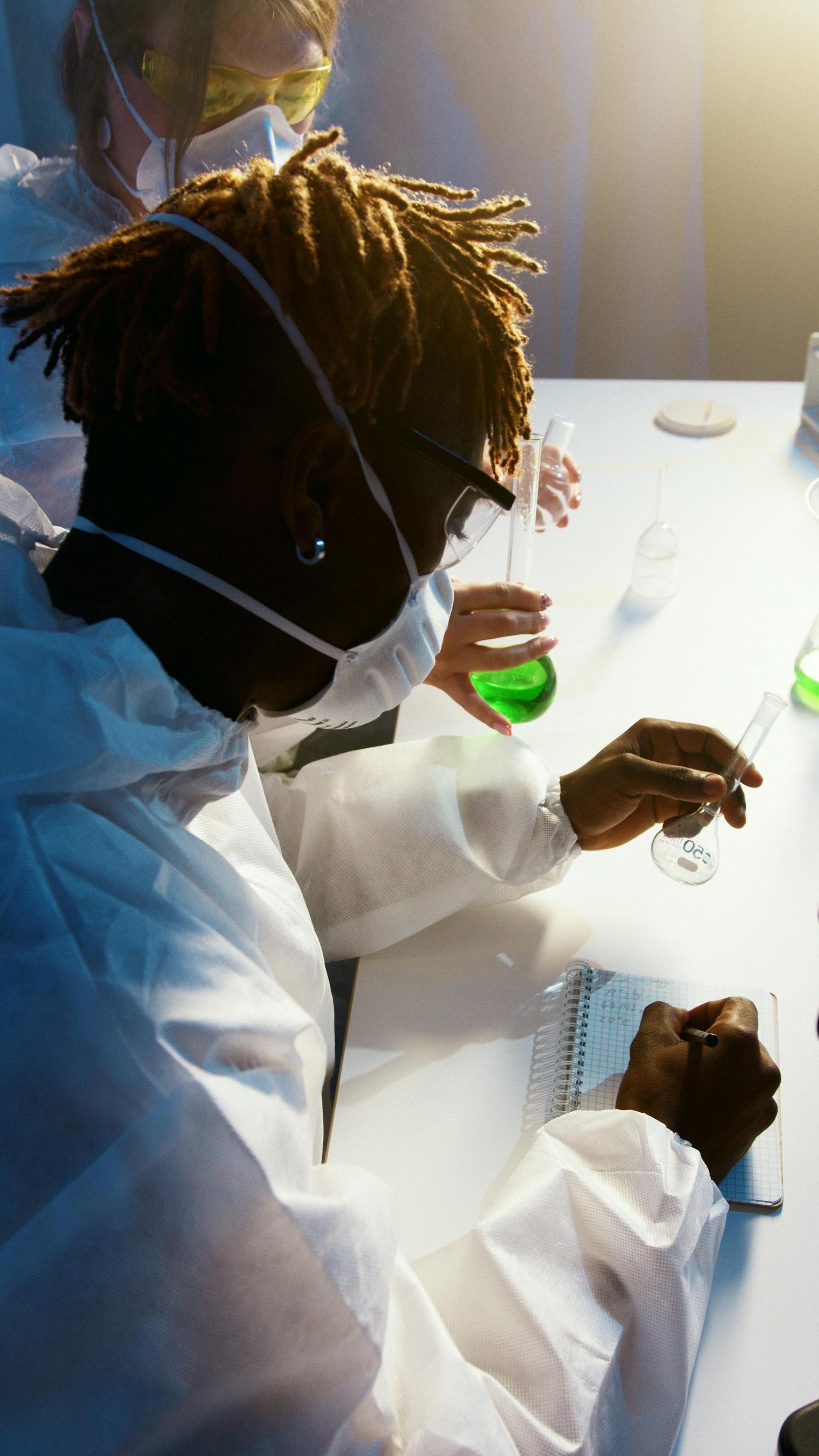
Last year was a watershed moment for academic commercialization. Across the globe, Tech Transfer Offices (TTOs) shattered records for patents filed, licenses executed, and spinout companies launched. The "valley of death" between the lab and the market is slowly being bridged, and the results from 2025 are nothing short of spectacular.
Here is a look at some of the most exciting, commercially viable research that tech transfer ecosystems birthed last year that deserve your attention.
1. Next-Gen Electronics: Gallox Semiconductors (Cornell University)
In Fiscal Year 2025, Cornell’s commercialization ecosystem hit a historic milestone, launching a record 20 new startups. One of the absolute standouts was Gallox Semiconductors.
Spun out of the Debdeep Jena and Huili Grace Xing Lab, Gallox is developing gallium oxide semiconductor devices. Why does this matter? As our world becomes increasingly electrified—from EVs to massive AI data centers—we need electronics that are vastly more powerful and energy-efficient than traditional silicon can offer. Gallium oxide is stepping up to the plate, and this TTO-backed spinout is leading the charge.
2. Seeing the Invisible: Phlux Technology (University of Sheffield)
The UK had an incredible year for spinouts in 2025, backed by the launch of a new national spinout register to track commercialization data. At the University of Sheffield, Phlux Technology made massive waves.
Built on the research of Dr. Ben White and his team, Phlux raised a £9 million funding round last year for its breakthrough infrared sensor technology. By utilizing antimony instead of traditional silicon, their sensors are vastly more sensitive, enabling everything from safer autonomous vehicles to advanced environmental monitoring. It was a crown jewel of Sheffield's 2025 commercialization journey, winning multiple "SME of the Year" awards.
3. Real-Time Health: SensVita (Cornell Tech Runway)
AI is transforming everything, and healthcare is no exception. Another massive win from 2025 was SensVita, an AI-driven biosensor platform incubated through Cornell Tech’s Runway program based on technology from the Edwin Kan Lab.
SensVita bridges the gap between deep biotech and practical software, creating platforms for rapid health detection and personalized monitoring. It perfectly highlights how modern TTOs are no longer just patenting molecules; they are spinning out complex, multi-disciplinary tech stacks.
4. Simple Solutions, Massive Impact: The RainDrop Dispenser (VA Tech Transfer)
Not every tech transfer victory has to be a complex quantum computing algorithm. Sometimes, the most impactful innovations solve everyday, frustrating human problems.
In 2025, the Department of Veterans Affairs (VA) Technology Transfer Program had a record-breaking year and was recognized globally for an invention called the RainDrop Dispenser. Created from a collaboration between VA bioengineers and clinicians, it is a specialized device that finally solves the frustrating, fumbled application of single-use dry eye drops. It’s a perfect example of how internal R&D, when properly managed and licensed, directly improves daily quality of life.
How Did They Do It?
Behind every single one of these 2025 breakthroughs was a Tech Transfer Office that had its data in order.
You cannot spin out a cutting-edge sensor company or an AI biosensor platform if the foundational research is buried in a PDF on a faculty member's hard drive. The institutions that are breaking commercialization records are the ones that treat their research data as a dynamic, searchable asset.
This is exactly why Moonbase exists. We empower TTOs with custom AI to navigate, visualize, and track their vast research portfolios. By unifying siloed data, we make it incredibly easy to identify which lab projects are commercially ready, match them with the right corporate partners, and get them licensed.
The innovations of tomorrow are sitting in your university's labs today. You just need the right map to find them. If you are ready to set sail and chart a course for the ultimate treasure trove of institutional data, let's build the future together.
Rajat Dabral CTO of Moonbase
Share this post

